
Turning plastic waste into clean energy
Indonesia / Flagship program
E3i RegenX
Plastics-to-Fuel
Banyumas, Central Java, Indonesia20 metric tons per day | Two-module facility
Converting hard-to-recycle plastic into economically valuable fuel for a cleaner Indonesia.

Banyumas, Central Java, Indonesia
Program snapshot
20
Ton/day
Processing capacity
312
Days/year
Operating days
6,240
Tons/year
Plastic processed
1,347,216
Gallons/year
Fuel production
2
Modules
Facility modules
Banyumas
Central Java
Project location
The challengePlastic waste in Indonesia
Millions of tons of plastic waste are generated every year, and most of it is still not managed optimally, especially plastics that are difficult to recycle conventionally.
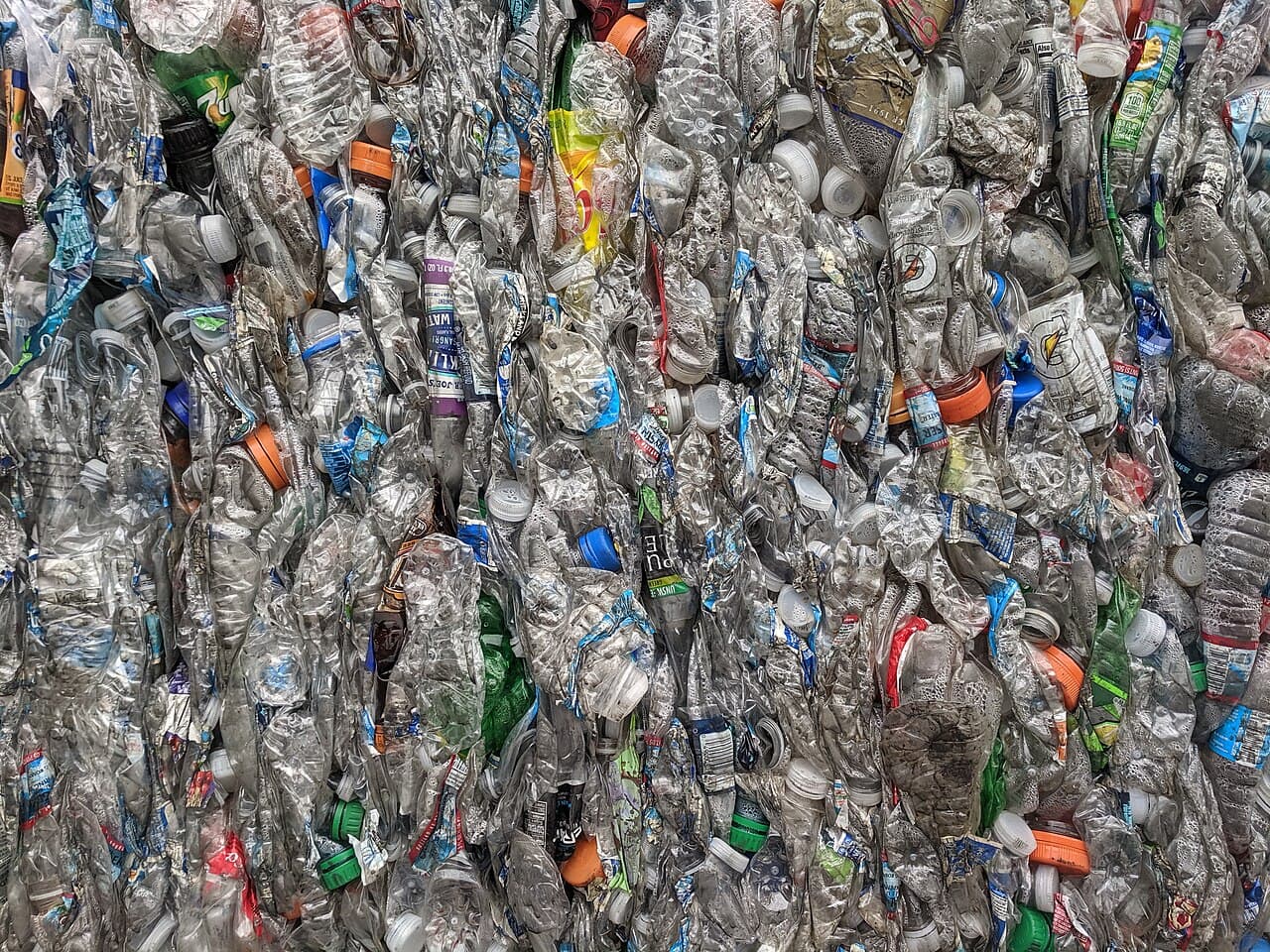
Photo: Grendelkhan, CC BY-SA 4.0, via Wikimedia Commons
Our solutionE3i RegenX technology
Catalytic thermal conversion in a low-oxygen environment turns plastic into hydrocarbon gas, which is then reformed and condensed into liquid fuel.
Post-consumer plastic waste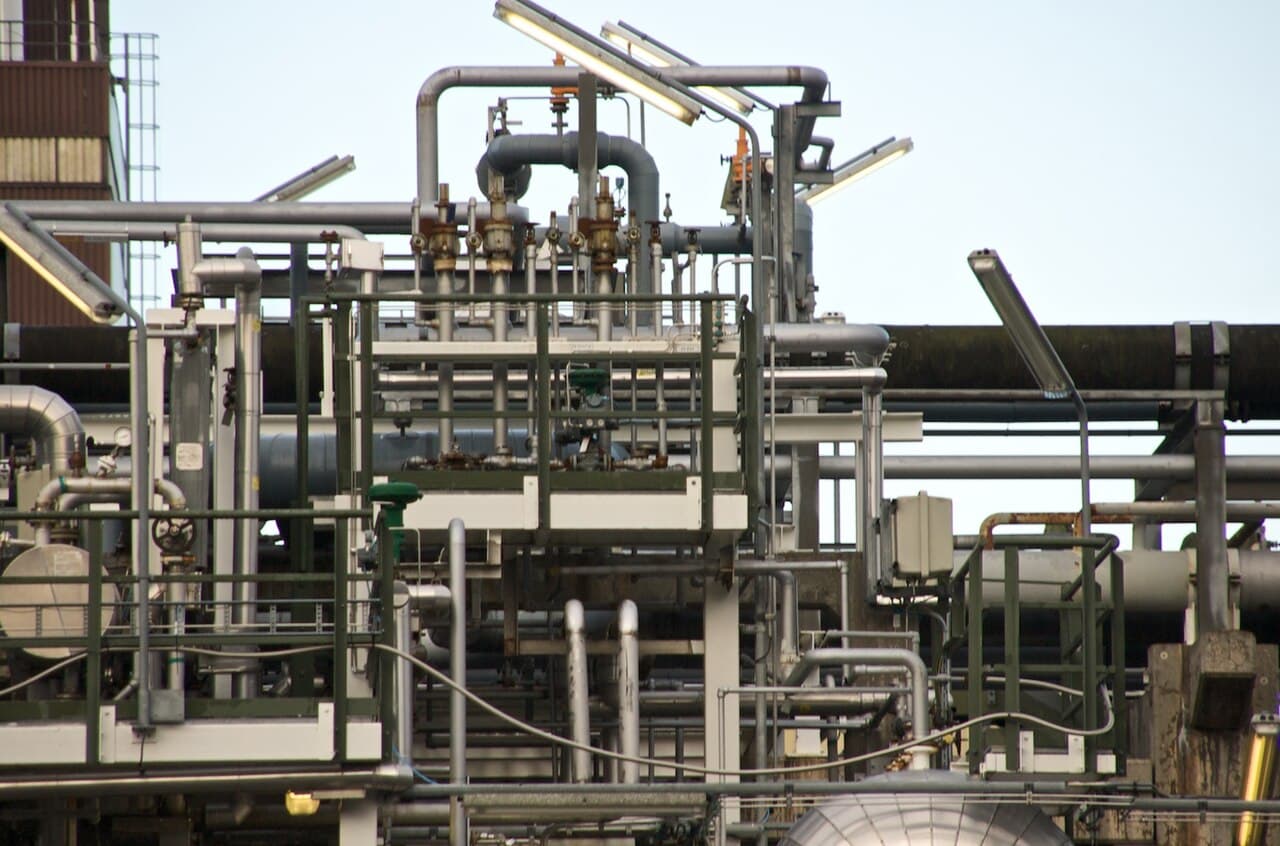 Catalytic thermal process
Target plastics
- HDPE
- LDPE
- PP
PVC — cannot be processed
Chlorine damages the catalyst and degrades process performance.
Final outputDiesel-equivalent liquid fuel
- Economic value supporting a circular economy
- Reduces plastic waste landfilling
- An alternative energy source
Business model
1. Fuel sales
Diesel-equivalent hydrocarbon liquid fuel for the industrial and energy sectors.
2. Gate-fee revenue
Service fees for receiving and processing plastic waste from waste processors.
Revenue diversification for business sustainability.
Financial overview (indicative)
All figures are indicative and must be revalidated against actual conditions in Indonesia.
Positive impact
Reduces plastic waste accumulation
Improves resource recovery
Supports carbon-emission reduction
Creates local economic opportunity
A model replicable across Indonesia's regions
Indonesia
A cleaner, more advanced Indonesia
Photos: Bitjungle (CC BY-SA 3.0) & RahmadHimawan Photography (CC BY-SA 4.0), via Wikimedia Commons